


PRESS & MEDIA

Press kit.

Official assets, author bios, book facts, and interview resources.

AUTHOR BIOS

Clayton W. LiaBraaten.

50-word bio

Clayton W. LiaBraaten is a technology executive and the author of The Personal Pie Chart®: A Life Design Framework for Successful People with Incomplete Lives. For more than twenty years he has mentored Fortune 500 executives, veterans, and professionals in transition. He lives in Northern Virginia.

150-word bio

Clayton W. LiaBraaten is a technology executive and the author of The Personal Pie Chart®: A Life Design Framework for Successful People with Incomplete Lives, and its three-volume companion workbook series. For more than twenty years he has mentored Fortune 500 executives, veterans, and professionals in transition. Again and again he met people who had built impressive careers and still felt something was missing. The Personal Pie Chart® gives that feeling a shape. It maps a life across ten dimensions, from Physical Wellness to Service and Generosity, and asks one honest question: where does your energy actually go? Readers draw their chart, choose where they want it to go next, and make small shifts that compound. Clayton speaks to leadership teams, professional communities, and podcast audiences about life design for high achievers. He lives in Northern Virginia.

BOOK FACTS

Publication details.

TitleFormatPagesISBNPublication
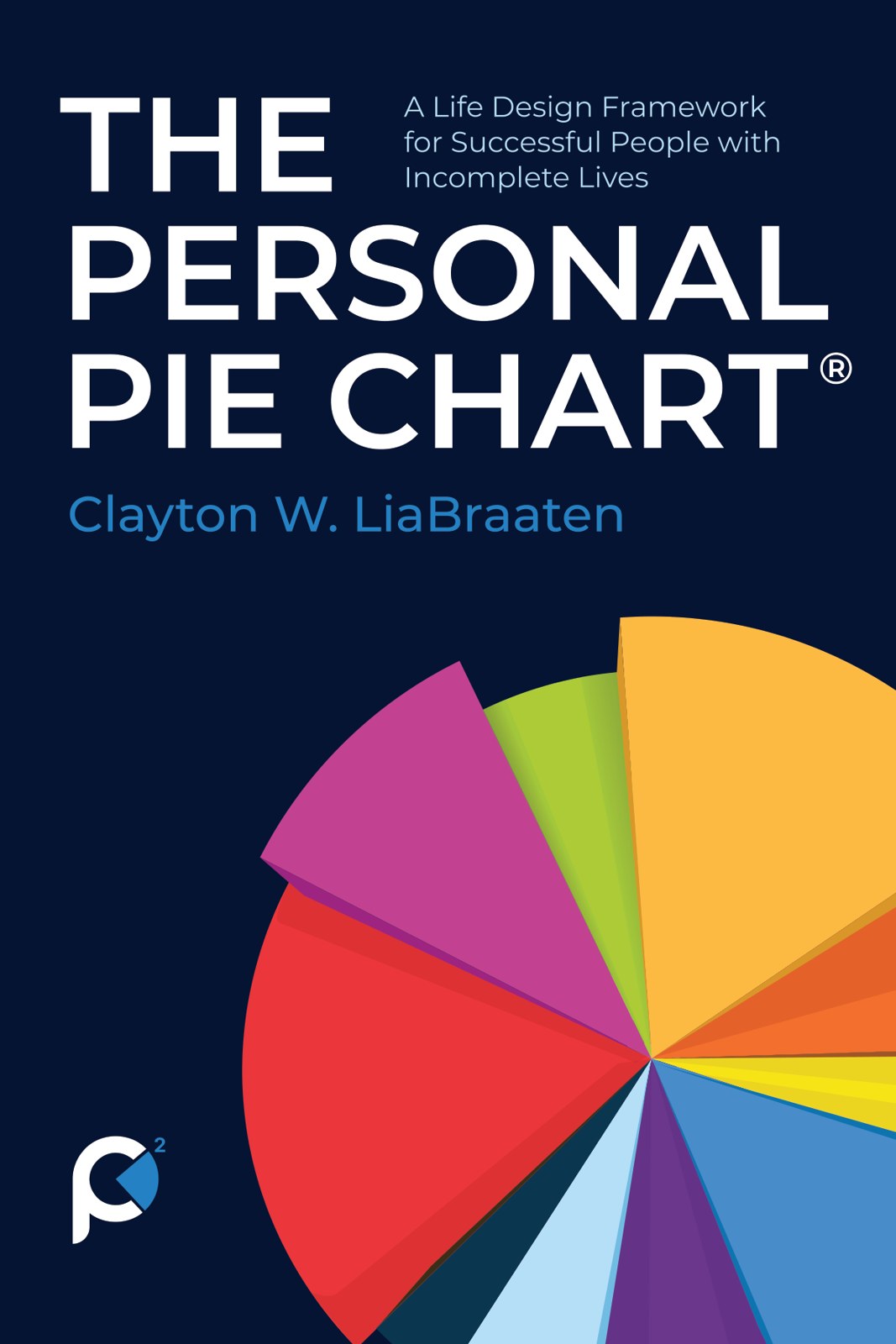
THE PERSONAL PIE CHART®A Life Design Framework for Successful People with Incomplete Lives.Paperback, Kindle288979-8-218-75557-7Coming soon
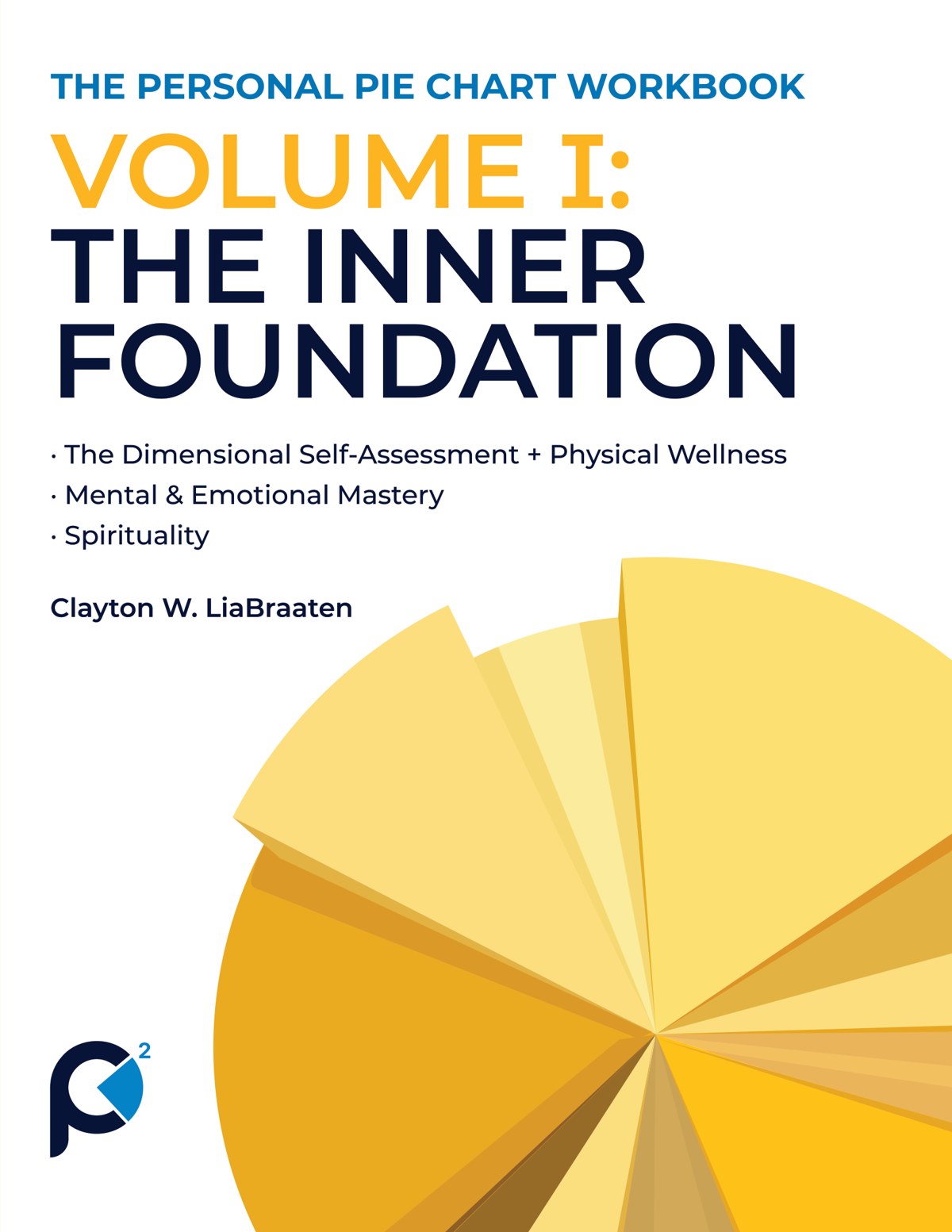
THE INNER FOUNDATIONStart with yourself.Paperback169979-8-9981322-0-9Coming soon
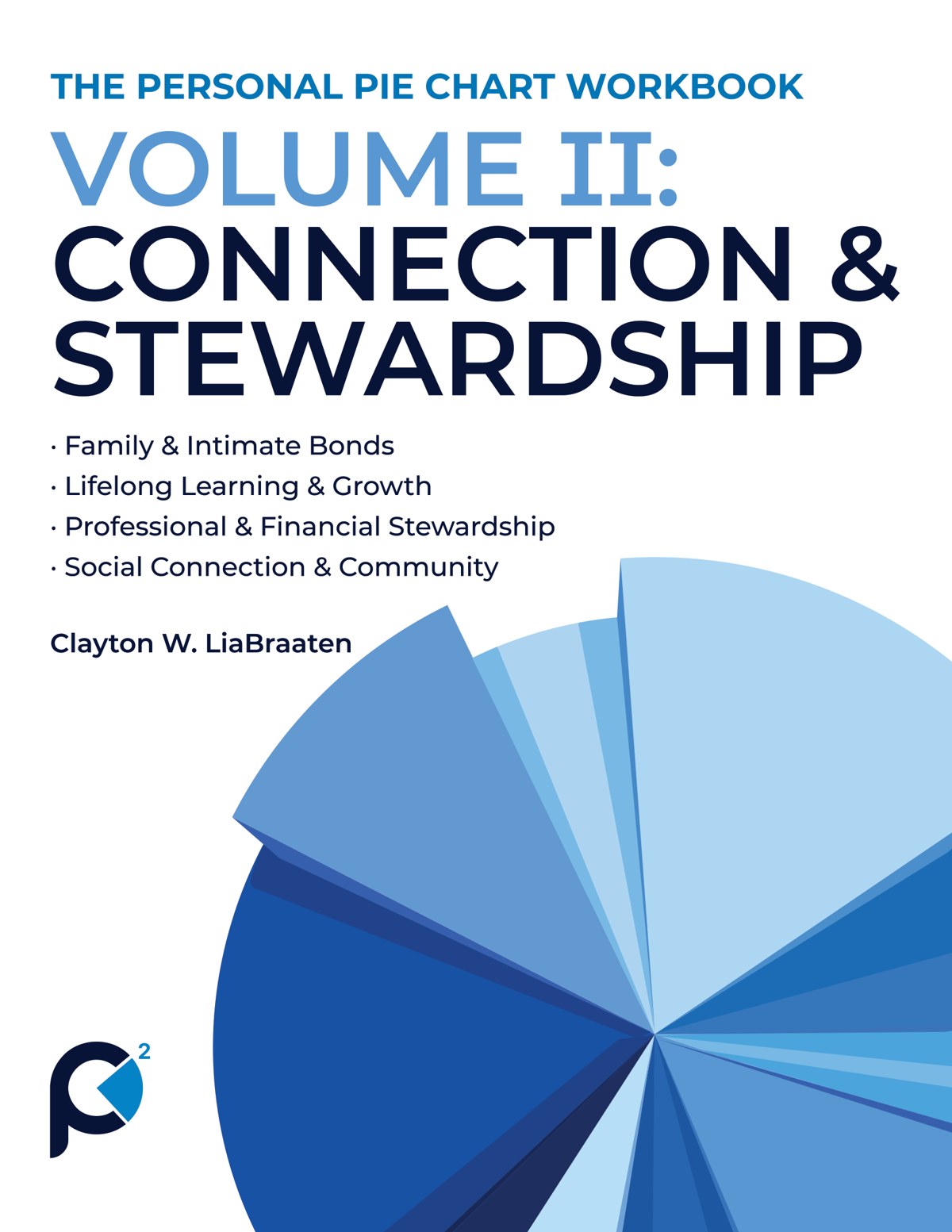
CONNECTION & STEWARDSHIPThe life you build with others.Paperback194979-8-9981322-1-6Coming soon
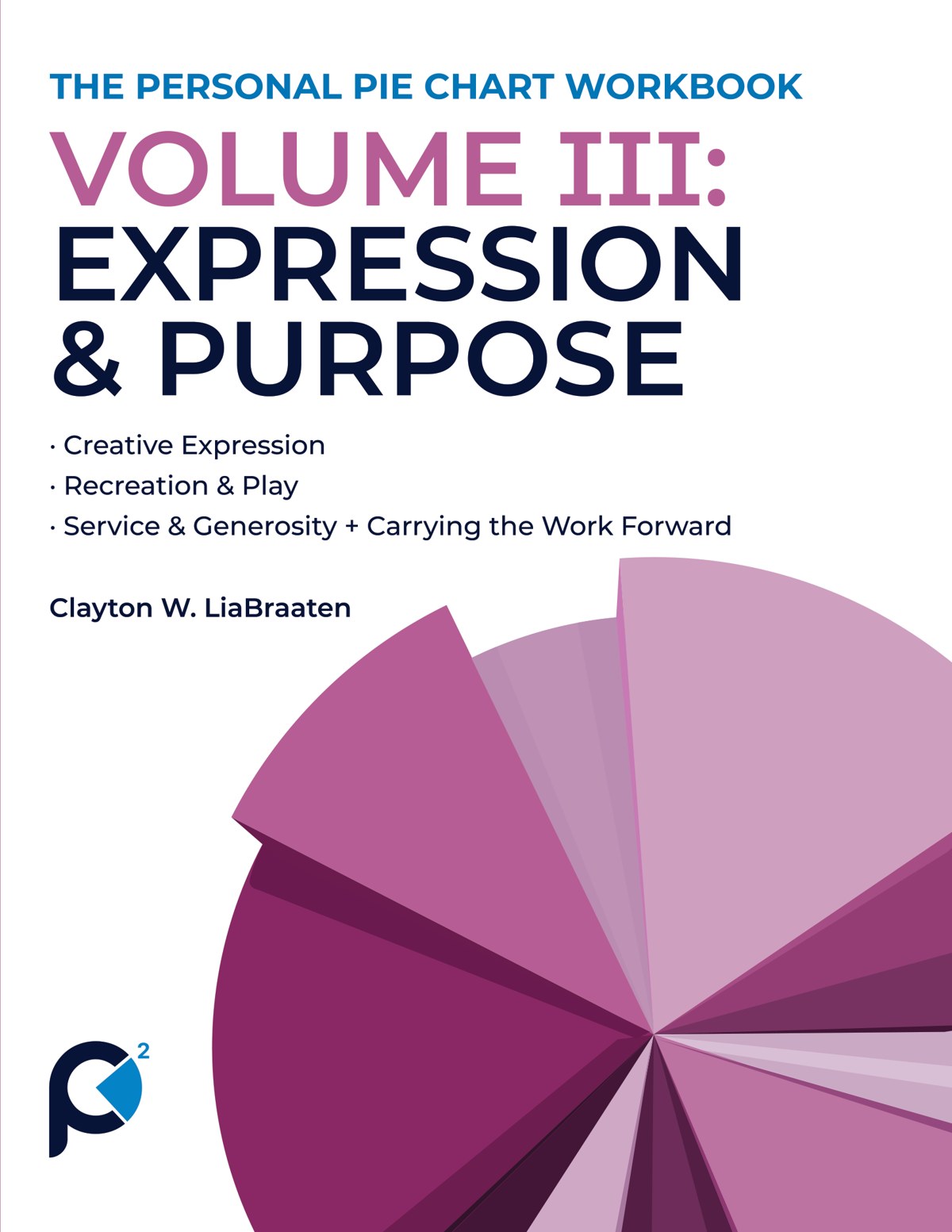
EXPRESSION & PURPOSEMake room for what matters.Paperback144979-8-9981322-2-3Coming soon
Author
Clayton W. LiaBraaten
Publisher
Triantic Partners
Category
Self-Help / Personal Growth
INTERVIEWS

Sample questions.

  1. What is the allocation problem, and why do successful people miss it?
  2. Why do you call life balance a myth?
  3. Where did the napkin sketch come from?
  4. Which of the ten dimensions do high achievers neglect most?
  5. How should someone pick the first slice to work on?
  6. What changes when you check in every week?
  7. How do the three workbook volumes fit with the book?
  8. What does a good chart look like? Is there one?
SPEAKER SHEET

One-page overview.

Open the print-ready sheet and use your browser to save it as a PDF.

Download speaker sheet (PDF)